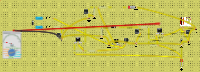
Capacitor can be charged or discharged
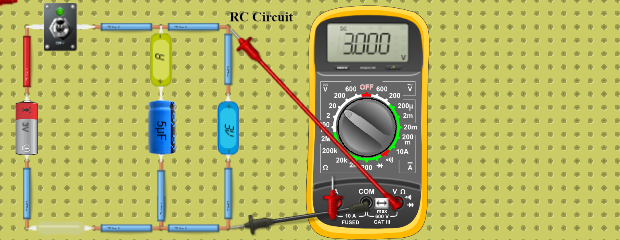
Capacitor can be charged or discharged: Charging a Capacitor: When a voltage is applied across the terminals of a capacitor, electrical charge starts to…

Teaching with circuits?
Create a classroom, give your students a circuit to build, and review what they submit. Try it free with one classroom and up to 5 students.
Try the free classroom demoHow it works
Capacitor can be charged or discharged:
Charging a Capacitor: When a voltage is applied across the terminals of a capacitor, electrical charge starts to accumulate on the plates of the capacitor. This process continues until the voltage across the capacitor equals the applied voltage.
Discharging a Capacitor: When the applied voltage is removed or if the capacitor is connected to a circuit that allows current to flow, the charge on the plates of the capacitor will decrease. The capacitor discharges through the circuit, and the voltage across the capacitor decreases accordingly.
The charging and discharging of a capacitor are governed by the relationship between the voltage, current, and the capacitance of the capacitor.
What's inside
- 1× Battery
- 1× Resistor (4 Ω)
- 1× Capacitor
- 1× Switch
- Measured with Voltmeter/Ammeter